The pastry case at my neighborhood coffee shop has one cookie I can never walk past.
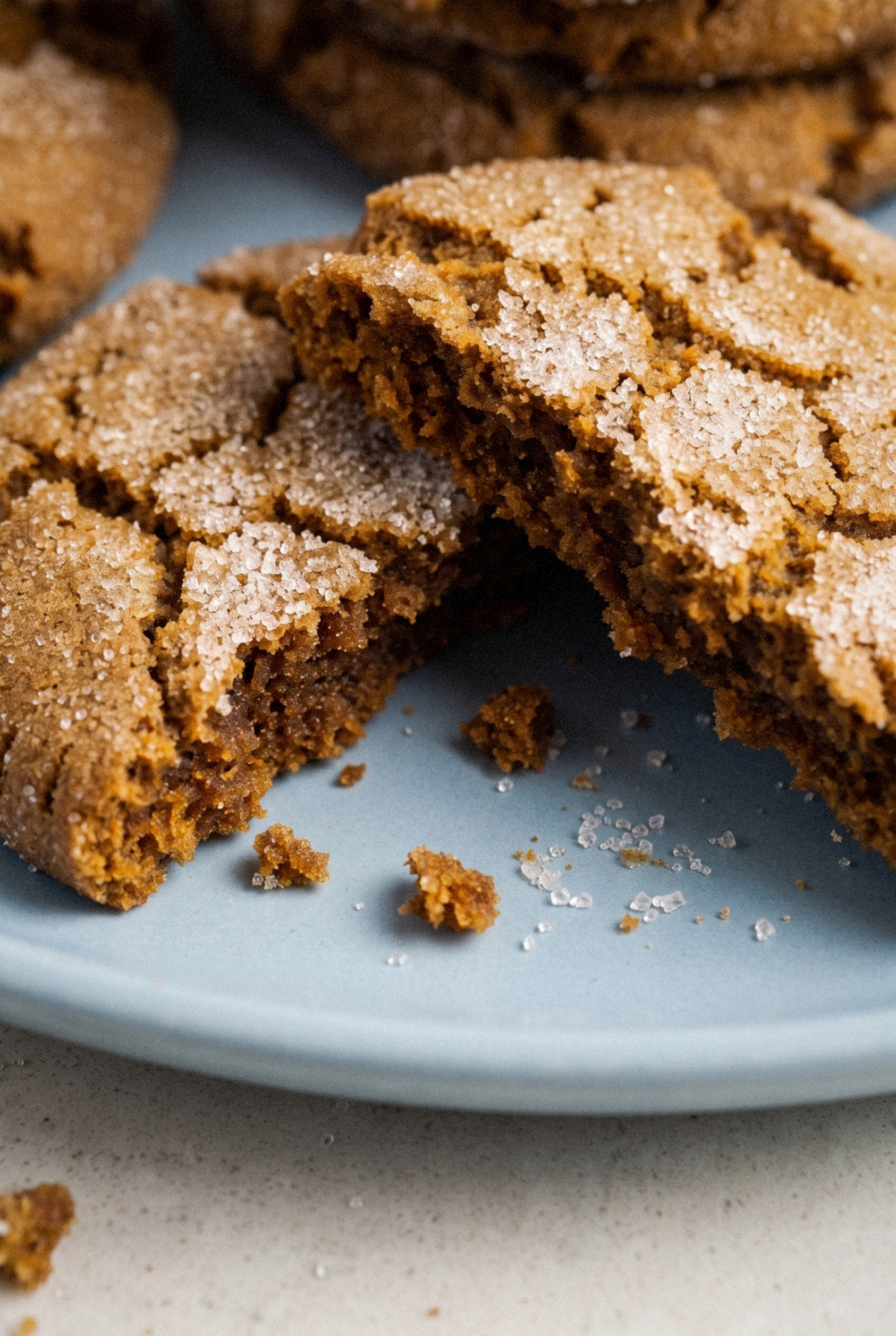
It’s dark, wide as my palm, and coated in sugar that crunches before you reach the chewy middle.
For years it rode home in a paper sleeve next to my latte, and I nibbled it in the car like a secret.
Then I added up what that habit was costing me.
So I started baking copycat recipes, and most of them let me down in one of two ways.
Some skipped the chill, and the dough melted into thin puddles that ran into each other on the pan.
Others rolled tiny one-inch balls that looked nothing like the giant cookie behind the glass.
My version fixes both problems with a few simple choices.
Dark brown sugar and regular molasses give the deep, mellow flavor without any bitterness.
A 45 minute chill firms the dough just enough, and a quarter-cup scoop gives you the real coffee shop size.
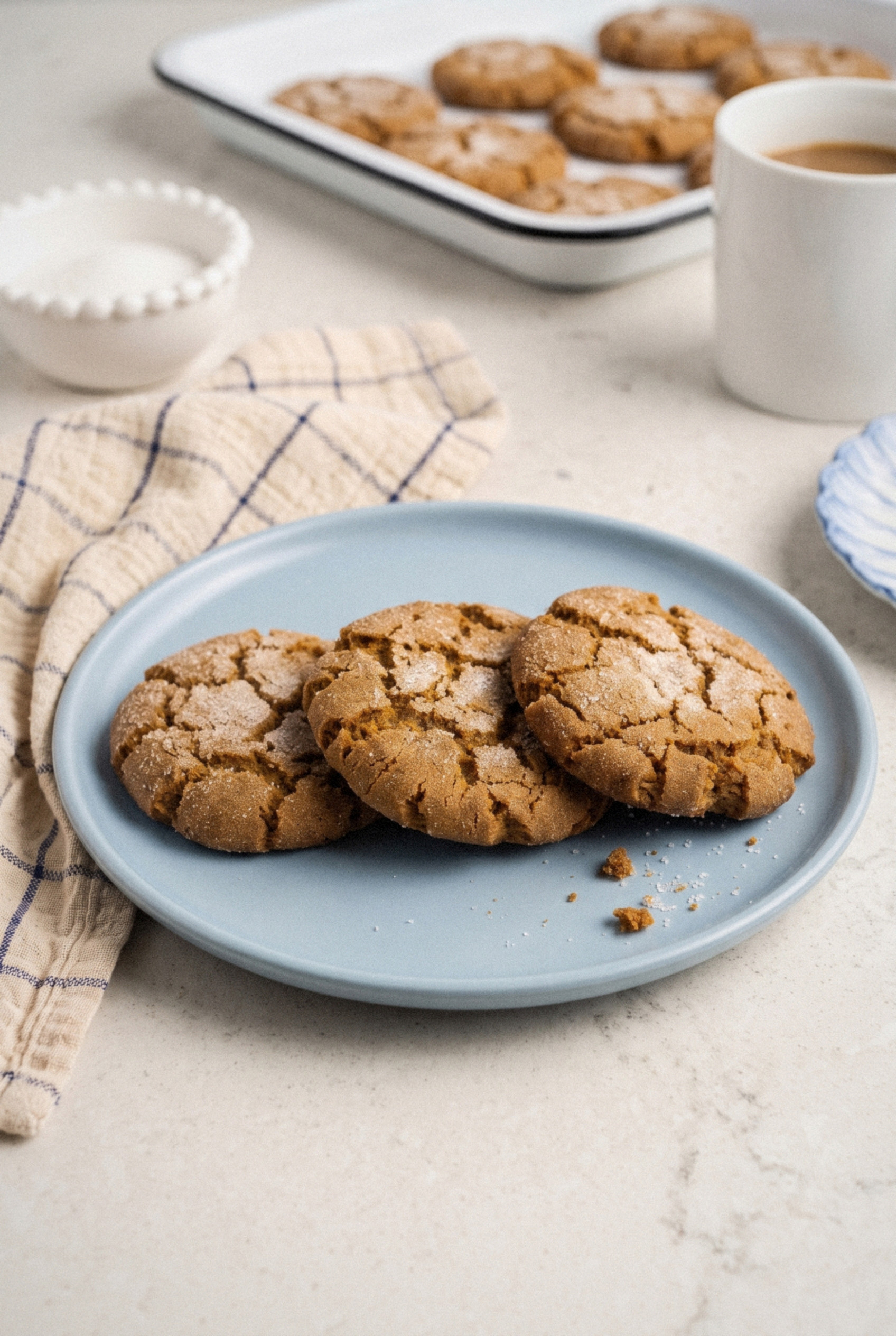
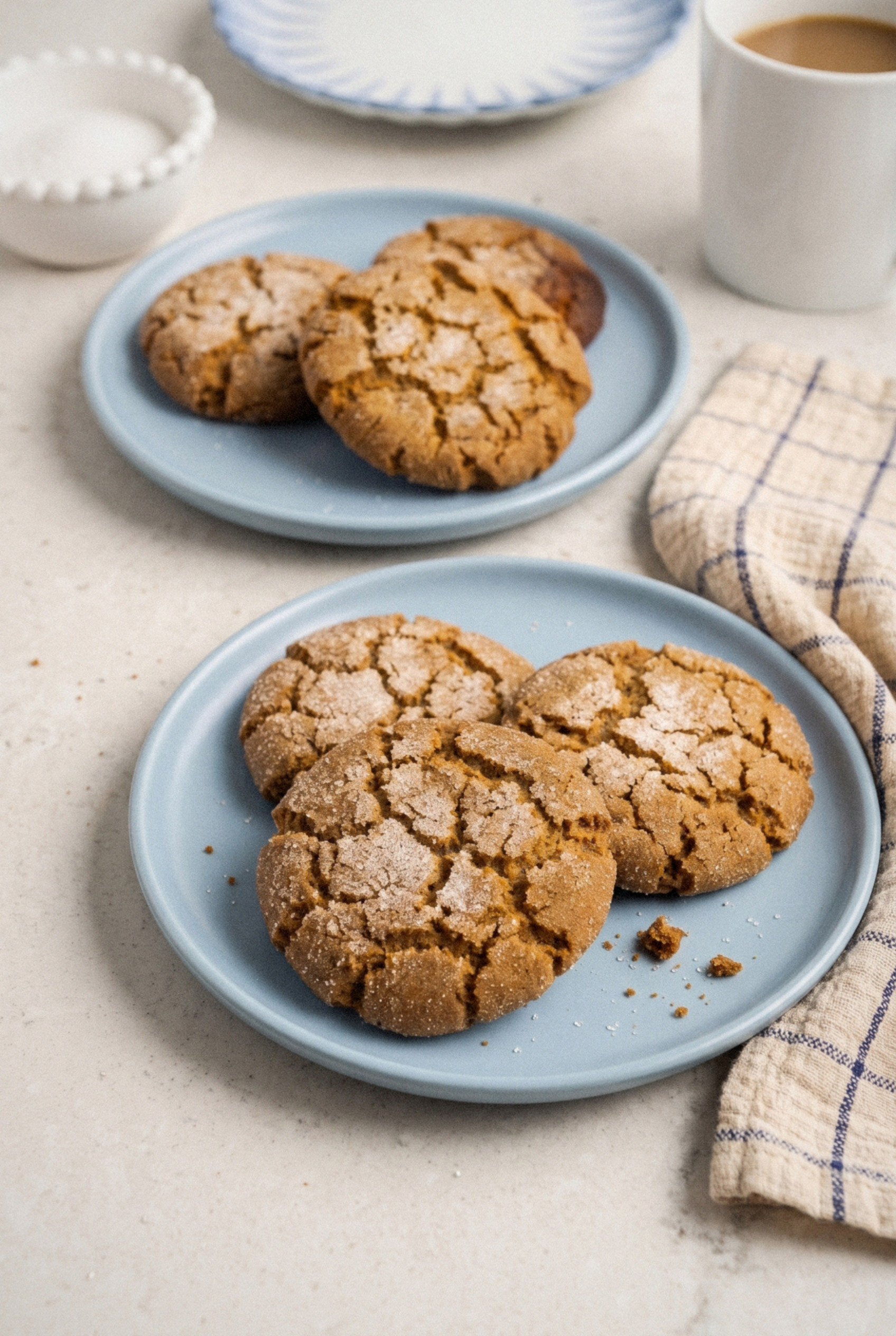
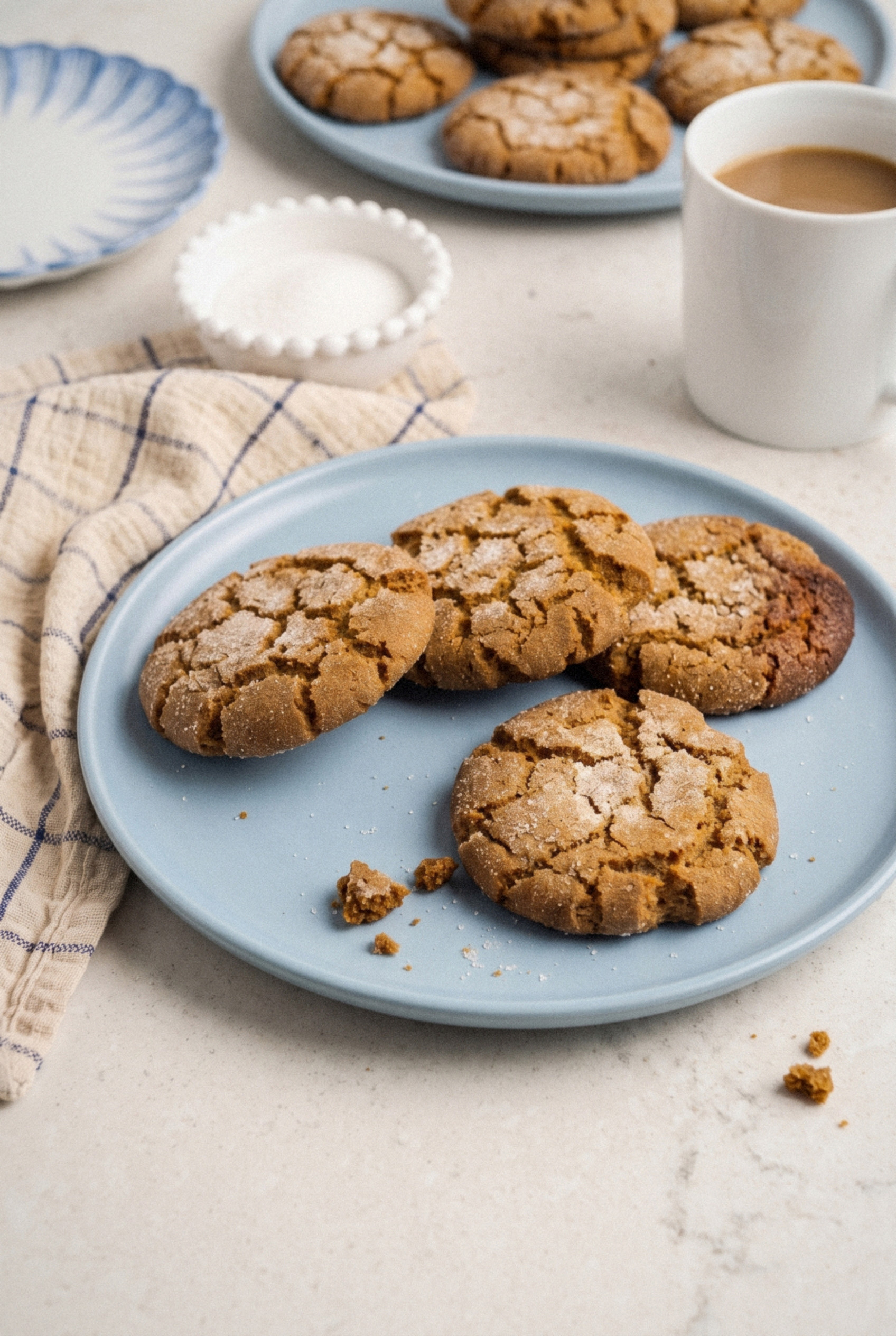
These Starbucks molasses cookies come out thick, crackled across the top and soft in the center for days.
My husband now asks for a batch every time the weather turns cold, and I’ve stopped buying them altogether.
Bake them once and your car cup holder will finally get a break.
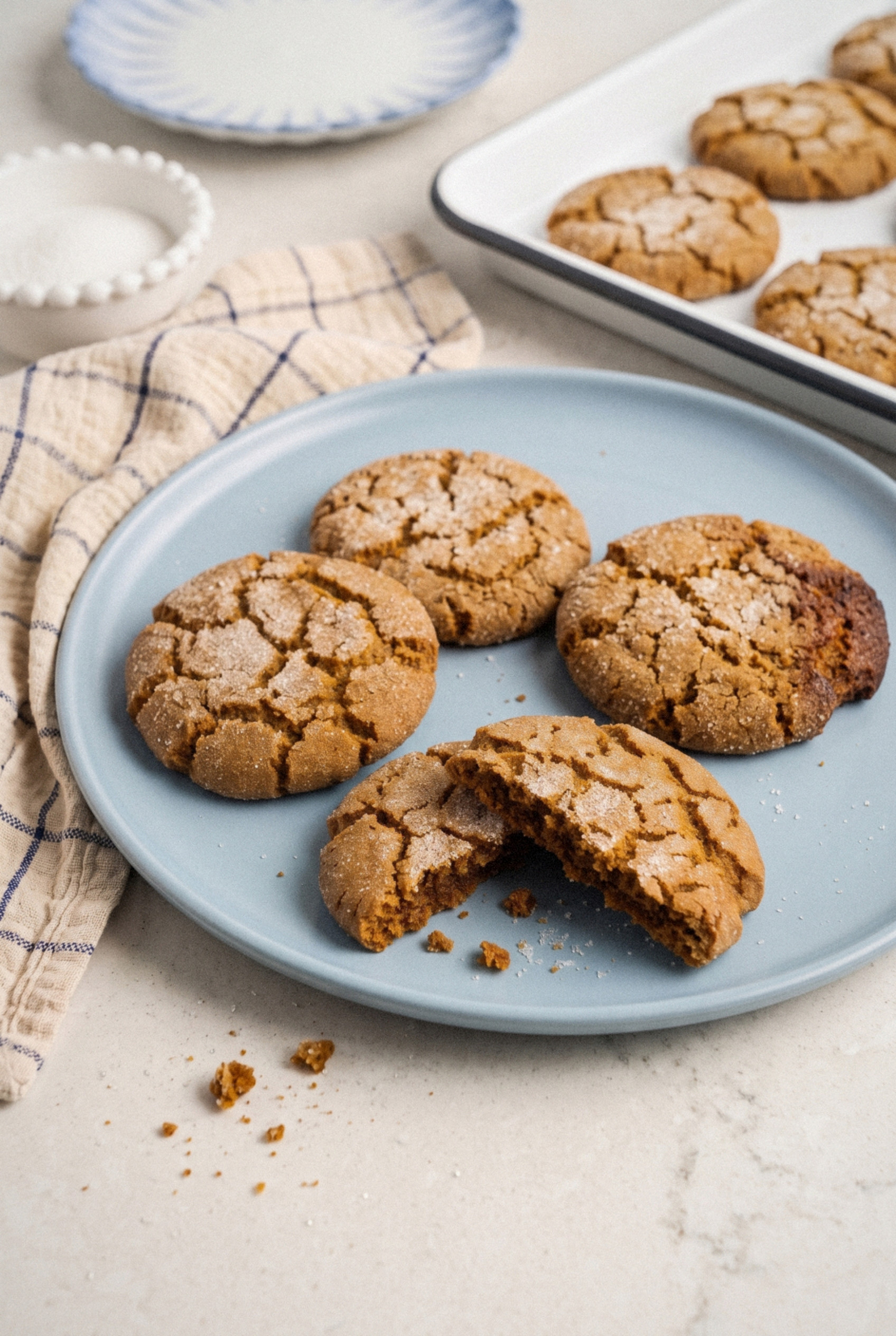
Table of contents
Why This Copycat Works
This recipe is built around the size and texture of the bakery cookie. One bowl of dough gets you all of this.
- Bakery-size cookies. A 1/4 cup scoop makes 12 big cookies, about four inches across once they bake.
- A crackled sugar shell. Rolling the dough in granulated sugar gives that crunchy, glittering top that splits into little canyons as it bakes.
- A chewy, soft center. Dark brown sugar holds moisture, so the middle stays tender and bendy for days.
- No stand mixer needed. A hand mixer and one big bowl handle everything.
- Freezer friendly. Dough balls bake straight from frozen, so a warm cookie is never more than 15 minutes away.
Who doesn’t love a cookie that tastes like the holidays and pairs perfectly with coffee?
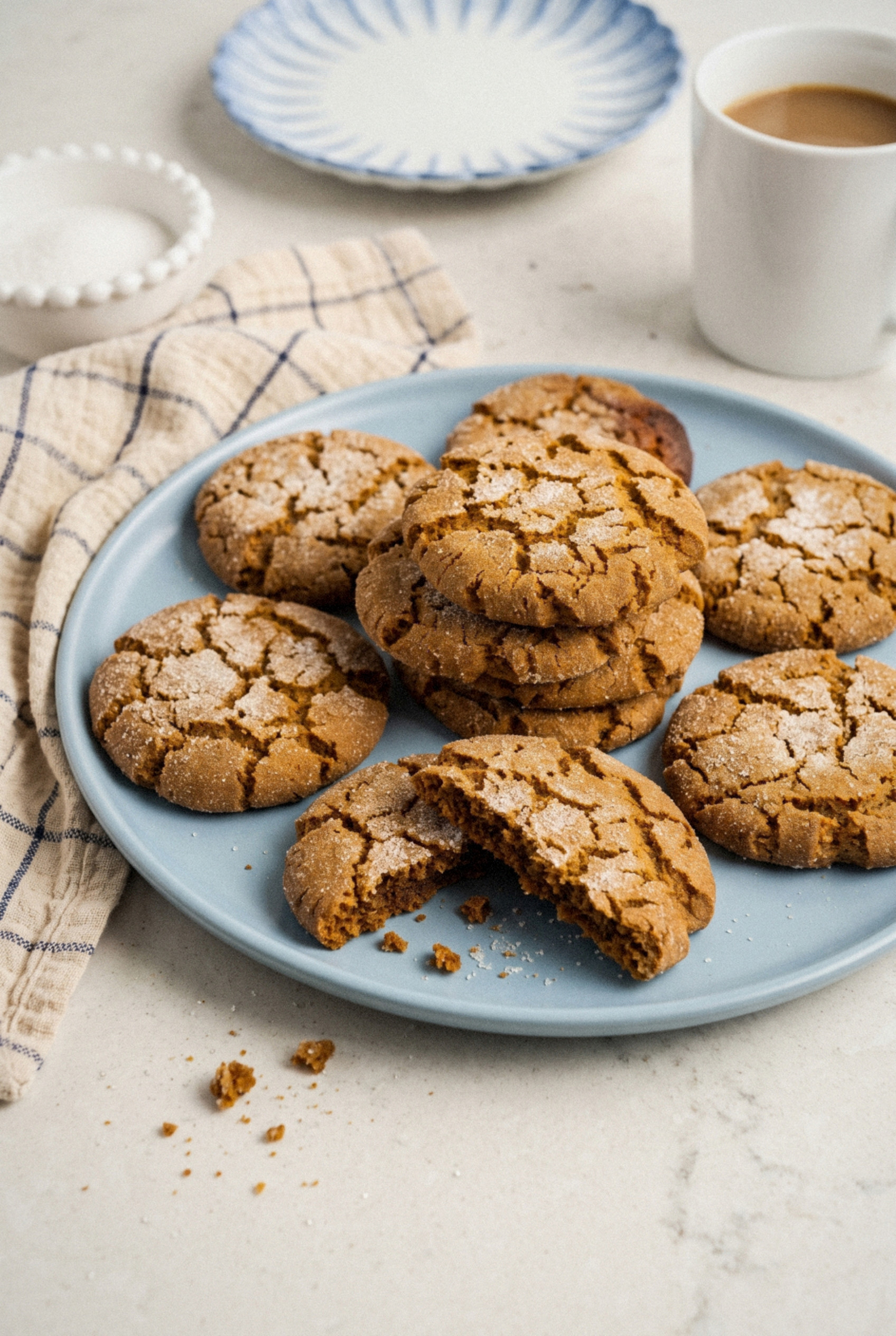
Ingredients for Starbucks Molasses Cookies
Every ingredient here has a job, and none of them are fancy. You probably have most of them in the pantry already.
- All-purpose flour (2 1/4 cups). Spoon it into the cup and level it off. Packing the flour makes a dry, cakey cookie.
- Baking soda (2 teaspoons). Yes, that’s a lot. It reacts with the acidic molasses and brown sugar, puffs the dough and then lets it collapse, which is what cracks the top.
- Ground ginger (1 1/4 teaspoons). The main spice. Use a jar that still smells sharp when you open it.
- Ground cinnamon (1 teaspoon). Adds warmth and rounds out the ginger.
- Ground nutmeg (1/4 teaspoon) and cloves (1/8 teaspoon). Small amounts, big payoff. The pinch of cloves gives that spiced bakery note without tasting like gingerbread men.
- Salt (1/2 teaspoon). Keeps all that sugar from tasting flat.
- Unsalted butter (3/4 cup). Softened, so a finger leaves a dent, but never greasy or melted.
- Dark brown sugar (1 cup, packed). More molasses than light brown, which means more chew and a deeper color.
- Regular molasses (1/4 cup). Unsulphured, the kind sold as original or mild.
- One large egg. Binds the dough and adds a little lift.
- Granulated sugar (1/3 cup). For rolling. Don’t skimp here, the coating is half the experience.
Blackstrap or Regular Molasses?
I use regular unsulphured molasses every time. It’s sweet, rich and a little smoky, and it lets the ginger shine.
Blackstrap is the last syrup pulled from the sugar cane, so it’s darker, less sweet and noticeably bitter.
A full 1/4 cup of it makes the cookies taste almost medicinal, and my kids flat out refused them.
Pro tip: If you love that intense flavor, swap in 1 tablespoon of blackstrap and use regular molasses for the rest.
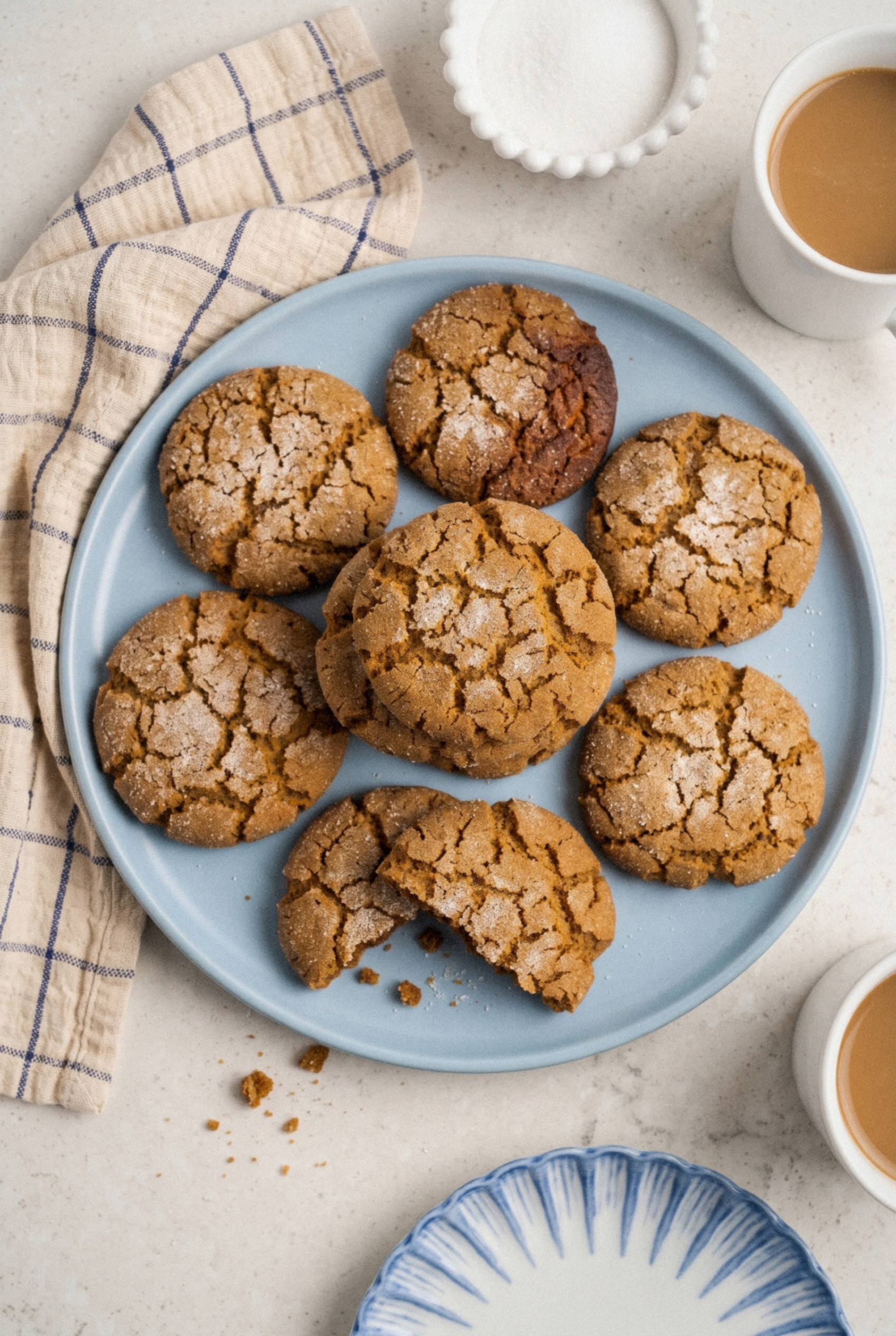
How to Make Molasses Cookies Like the Coffee Shop
The whole process takes about 15 minutes of hands-on work. The chill and the bake do the rest.
Step 1: Cream the Butter and Sugar
Add the softened butter and packed dark brown sugar to a large bowl. Beat on medium-high for 3 minutes, scraping the bowl once, until the mixture looks lighter in color and fluffy.
Don’t rush this step. The air you beat in now gives the cookies their soft, thick middle.
Step 2: Add the Molasses and Egg
Pour in the molasses and beat until it’s fully mixed in. Add the egg and beat for about 1 minute, until the mixture no longer looks curdled and turns a glossy caramel color.
Scrape the sides and bottom of the bowl so no streaks of butter hide down there.
Step 3: Mix in the Dry Ingredients
In a separate bowl, whisk the flour, baking soda, ginger, cinnamon, nutmeg, cloves and salt until the spices are evenly spread through. Add this to the butter mixture and beat on low just until no dry flour remains.
The dough will be thick and a bit sticky. That’s exactly right.
Step 4: Chill, Scoop and Roll in Sugar
Cover the bowl and refrigerate for 45 minutes. Near the end, heat the oven to 350°F and line two baking sheets with parchment.
Pour the granulated sugar into a shallow bowl. Scoop the dough with a 1/4 cup measure or scoop, roll each portion into a ball between your palms, then roll it in the sugar until it’s completely coated.
Place 6 balls per sheet, spaced well apart. Press each one gently with your palm to about 3/4 inch thick.
Spacing feel excessive? It isn’t. These cookies spread to about four inches.
Step 5: Bake Until the Edges Set
Bake one sheet at a time on the middle rack for 12 to 14 minutes, keeping the second sheet in the fridge while it waits. Pull the cookies when the edges look set and the tops are cracked, but the centers still look slightly underdone.
Let them rest on the hot pan for 5 minutes so the middles finish setting, then move them to a wire rack.
Fair warning: The smell of ginger and molasses will bring everyone into the kitchen.
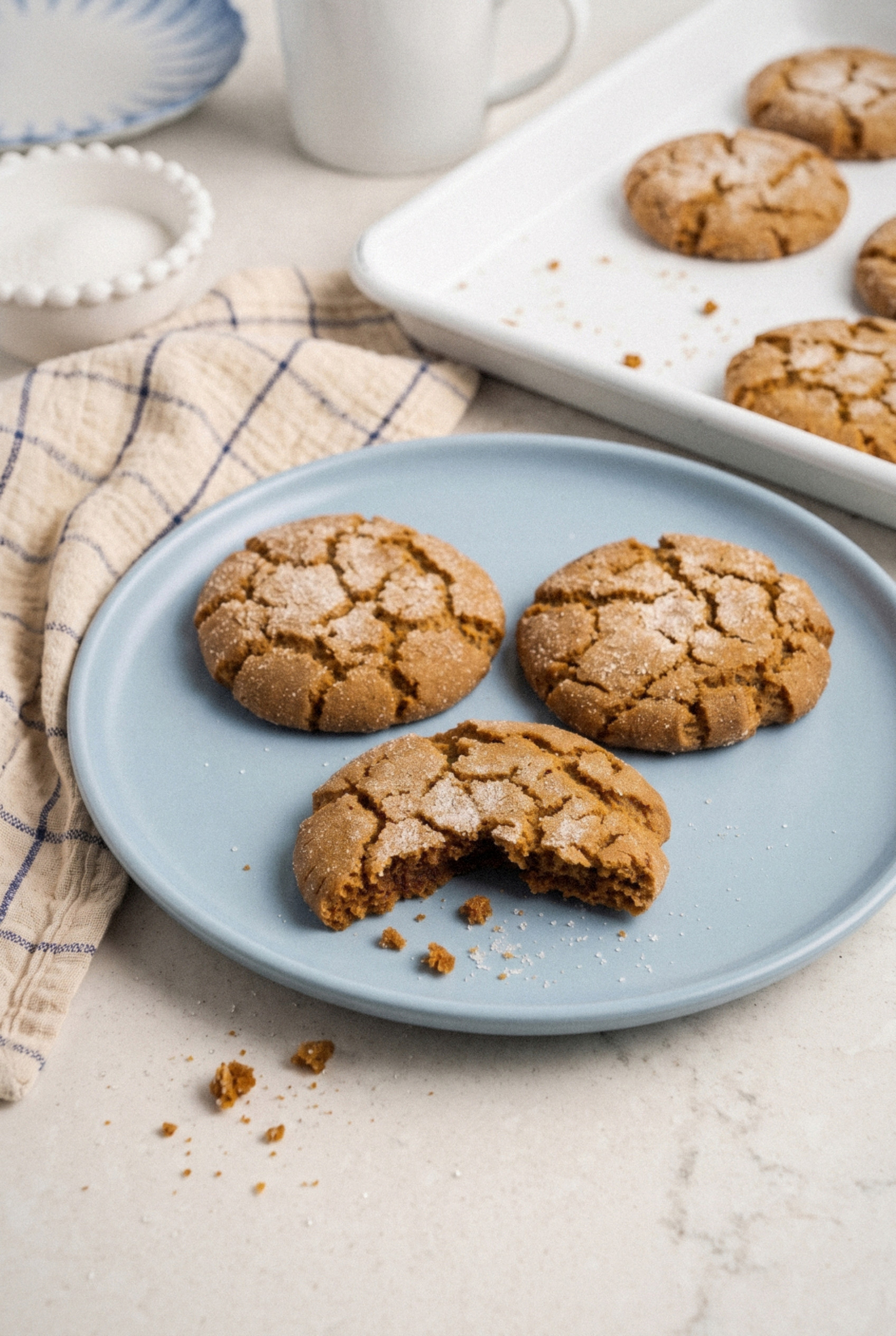
Tips for Thick, Chewy Cookies
A few small habits make the difference between bakery cookies and flat ones.
- Measure flour lightly. Too much flour gives you dry, domed cookies that don’t crack. Too little and they spread thin.
- Keep the butter soft, not melted. Melted butter makes the dough loose and the cookies greasy.
- Don’t skip the chill. Even 30 minutes helps. The full 45 minutes keeps them thick without making the dough hard to scoop.
- Coat generously. A thick sugar layer is what gives you the shattered, sparkly crust. A thin dusting just melts away.
- Underbake slightly. The centers should look a touch soft when they come out. They firm up on the pan.
- Bake one sheet at a time. Two sheets in the oven bake unevenly, and the bottom tray always ends up crisp.
- Smooth tops? Your baking soda may be old. Fresh soda gives a strong rise and fall, which is what cracks the surface.
Substitutions and Variations
Once you have the base recipe down, it’s a great way to play with flavors.
- Crystallized ginger. Fold in 1/3 cup finely chopped crystallized ginger for chewy, spicy pockets. My favorite version for holiday trays.
- Fresh ginger. Replace half the ground ginger with 1 teaspoon freshly grated ginger for a brighter bite.
- More cloves, no nutmeg. If you like a gingerbread-style cookie, use 1/2 teaspoon cloves and leave out the nutmeg.
- Light brown sugar. Works fine. The cookies will be a shade lighter and a little less chewy.
- Simple glaze. Whisk 1/2 cup powdered sugar with 2 teaspoons milk and drizzle over cooled cookies.
- Smaller cookies. Use a 2 tablespoon scoop for about 24 cookies and bake for 9 to 11 minutes.
- Gluten-free. A 1:1 gluten-free baking flour blend works well. Chill the dough the full 45 minutes, since it’s softer.
How to Store and Freeze
These cookies stay soft longer than most, thanks to the brown sugar and molasses.
- Room temperature. Keep them in an airtight container for up to 5 days. A slice of sandwich bread in the container keeps them extra soft.
- Freeze baked cookies. Layer with parchment in a freezer bag for up to 3 months. Thaw on the counter for about 30 minutes.
- Freeze dough balls. Roll the dough into balls, skip the sugar, and freeze on a sheet until firm. Bag them for up to 3 months.
- Bake from frozen. Roll the frozen balls in sugar, press gently, and add 2 to 3 minutes to the bake time.
- Refrigerated dough. Covered dough keeps for up to 2 days. Let it sit out for 10 minutes before scooping.
I keep a bag of frozen dough balls tucked behind the ice cube trays. It’s my emergency stash for drop-in guests.
If you are filling a cookie tray, add jam-filled cream cheese pastry cookies too.
For a cookie tray, I bake them alongside fudgy homemade brownies.
FAQ
How do you make Starbucks ginger molasses cookies at home?
Cream butter with dark brown sugar, beat in molasses and an egg, then add flour, baking soda, ginger, cinnamon and a little nutmeg and cloves. Chill the dough, scoop 1/4 cup portions, roll them in sugar and bake at 350°F for 12 to 14 minutes.
Should I use blackstrap or regular molasses?
Use regular unsulphured molasses. Blackstrap is much more bitter and can overpower the spices. If you want a darker flavor, replace just 1 tablespoon of the regular molasses with blackstrap.
Why did my molasses cookies spread flat?
The usual causes are butter that was too soft or melted, dough that wasn’t chilled, or flour that was measured too lightly. A warm baking sheet also makes them spread, so let the pan cool between batches.
Do I have to chill the dough?
You can bake right away, but the cookies spread more and come out thinner. A 45 minute chill keeps them thick and chewy while the dough is still soft enough to scoop.
How do I get the crackled sugar top?
Use fresh baking soda, coat the dough balls heavily in granulated sugar, and press them gently before baking. The dough puffs and then sinks as it bakes, and the sugar shell cracks along the way.
Can I freeze the dough or the baked cookies?
Both freeze well for up to 3 months. Frozen dough balls bake directly from the freezer with 2 to 3 extra minutes, and baked cookies thaw on the counter in about 30 minutes.
Where does Starbucks get its cookies?
The coffee chain’s bakery items are made by outside bakery partners and delivered to stores ready to sell, rather than baked from scratch in each cafe. That’s one more reason a fresh batch from your own oven tastes better.
Chewy Starbucks Molasses Cookies (Copycat)
Ingredients
For the Cookies
- 2 1/4 cups all-purpose flour spooned and leveled (281 g)
- 2 teaspoons baking soda
- 1 1/4 teaspoons ground ginger
- 1 teaspoon ground cinnamon
- 1/4 teaspoon ground nutmeg
- 1/8 teaspoon ground cloves
- 1/2 teaspoon salt
- 3/4 cup unsalted butter softened (170 g)
- 1 cup dark brown sugar packed (213 g)
- 1/4 cup regular unsulphured molasses not blackstrap (85 g)
- 1 large egg room temperature
For Rolling
- 1/3 cup granulated sugar
Instructions
Make the Dough
- In a large bowl, beat the softened butter and dark brown sugar on medium-high for 3 minutes, scraping the bowl once, until lighter in color and fluffy.
- Beat in the molasses until combined. Add the egg and beat for about 1 minute, until smooth and glossy. Scrape the bowl.
- In a separate bowl, whisk the flour, baking soda, ginger, cinnamon, nutmeg, cloves and salt.
- Add the dry ingredients to the butter mixture and beat on low just until no dry flour remains.
- Cover the bowl and refrigerate the dough for 45 minutes.
Shape and Bake
- Heat the oven to 350°F. Line two baking sheets with parchment paper. Pour the granulated sugar into a shallow bowl.
- Scoop the dough into 1/4 cup portions and roll each into a ball. Roll each ball in the granulated sugar until fully coated.
- Place 6 dough balls on each sheet, spaced well apart, and press each one gently to about 3/4 inch thick. Keep the second sheet in the refrigerator while the first bakes.
- Bake one sheet at a time on the middle rack for 12 to 14 minutes, until the edges are set and the tops are cracked but the centers still look slightly soft.
- Let the cookies rest on the baking sheet for 5 minutes, then transfer to a wire rack to cool. Repeat with the second sheet.
Notes
- Molasses: Use regular unsulphured molasses. Blackstrap makes the cookies bitter.
- Smaller cookies: Use a 2 tablespoon scoop for about 24 cookies and bake 9 to 11 minutes.
- Freezing: Freeze unsugared dough balls up to 3 months. Roll in sugar and bake from frozen, adding 2 to 3 minutes.
- Storage: Keep baked cookies airtight at room temperature up to 5 days.